Private fund

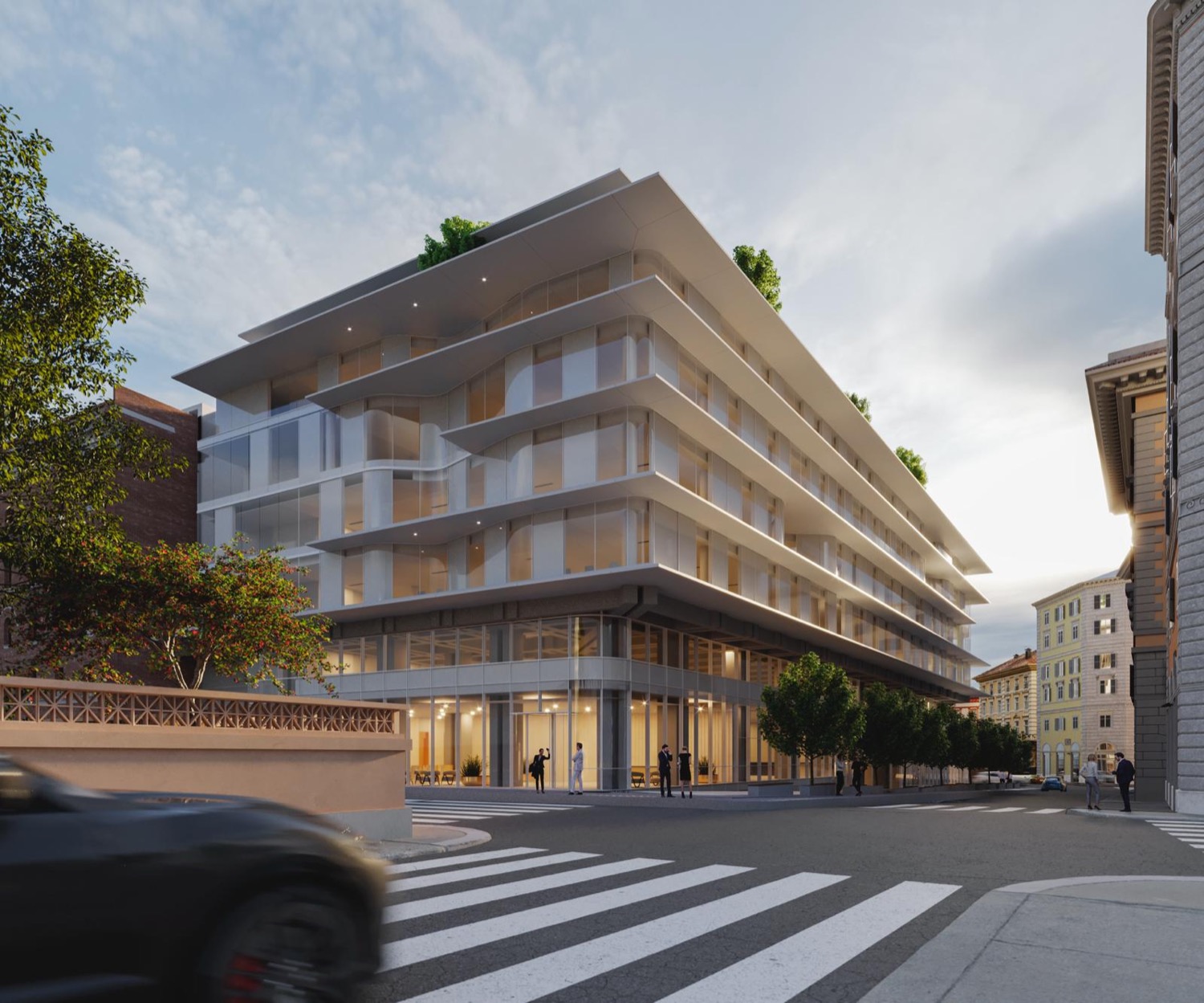
Render Via Boncompagni

SUSTAINABILITY

Urban regeneration of Via Boncompagni


The Boncompagni project represents the first intervention of multi-purpose urban regeneration in the heart of the Central Business District of Rome. The activity will include four main elements: 

  • a modern office building of approximately 17,000 square metres, situated along Via Boncompagni and Via Romagna, characterised by a contemporary glass façade, a double-height entrance lobby, terraces, and exclusive services and commercial premises;
  • the redevelopment of an existing building of approximately 4,200 square metres, intended for office spaces, with particular attention to the conservation and valorisation of the historical façade along Via Sicilia;
  • a high-standard residential building of approximately 7,500 square metres, located on the corner between Via Boncompagni and Via Puglie;
  • a multifunctional space inside the Church of Saint Lawrence, located on the corner between Via Sicilia and Via Puglie.

The most iconic building, called the Glass Building, will feature a curved glass façade designed by Mad, which will guarantee abundant natural light and transparency to the premises. The building will be able to accommodate up to 1,600 people in modern and efficient offices, in compliance with the best international sustainability standards.

The second building, known as the Brick Building, is characterised by a strong historical identity given by the brick façade on Via Sicilia. Despite having smaller dimensions than the Glass Building, its design has achieved the same level of certifications. 

The residential building will host 38 apartments of different types, characterised by a modern and functional design.

Techbau S.p.A.

Sostenibilità

SUSTAINABILITY

Via del Crocifisso – San Pietro

The real estate project known as “Project San Pietro” has a central position in the urban context of Rome, adjacent to the Pope's railway and the San Pietro Station, the first railway station in the city, as well as few minutes away from St Peter's Basilica in the Vatican. Currently, the site is in construction state, after remaining inactive for several years, and is characterised by a clear state of abandonment. It is positioned between the railway line and Via del Crocifisso, with the containment structures on the railway side and the underground levels already built.

The original project, derived from the 1997 Programme Agreement and confirmed in the Agreement in 2001, has obtained the Building Permit in 2004 after a series of administrative procedures, until the presentation of its variant and the issuance of the authorisation in 2021 by a special commissioner.

The goal of Project San Pietro is to fill the gap in the urban fabric of Rome through the creation of a structure intended for student services, with commercial areas for the neighbourhood residents and large surfaces intended for parking, both public and private.

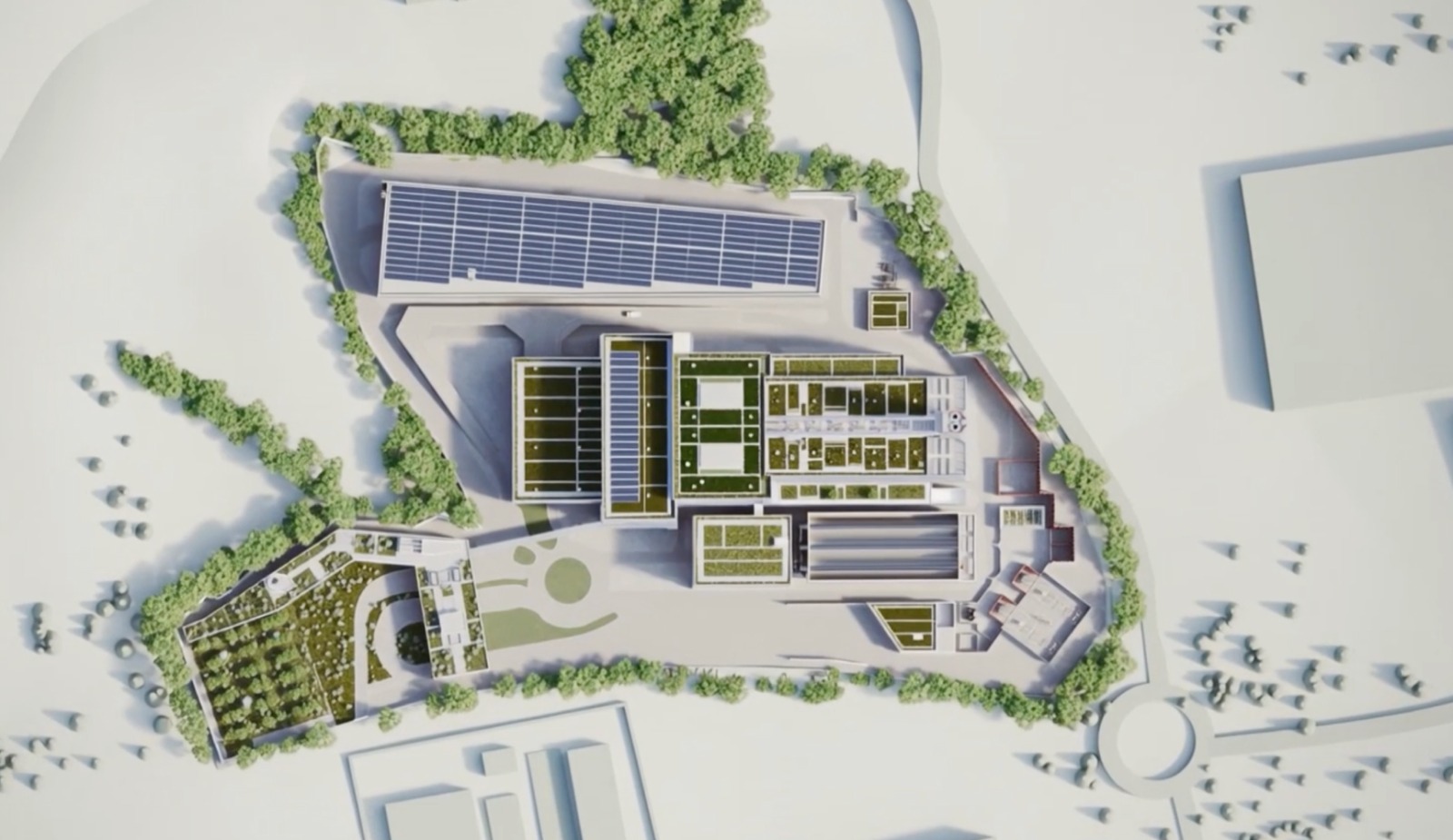
Render Termovalorizzatore 15 maggio 2026

SUSTAINABILITY

Waste-to-energy plant

For further information, please visit the dedicated website www.renewrome.com.

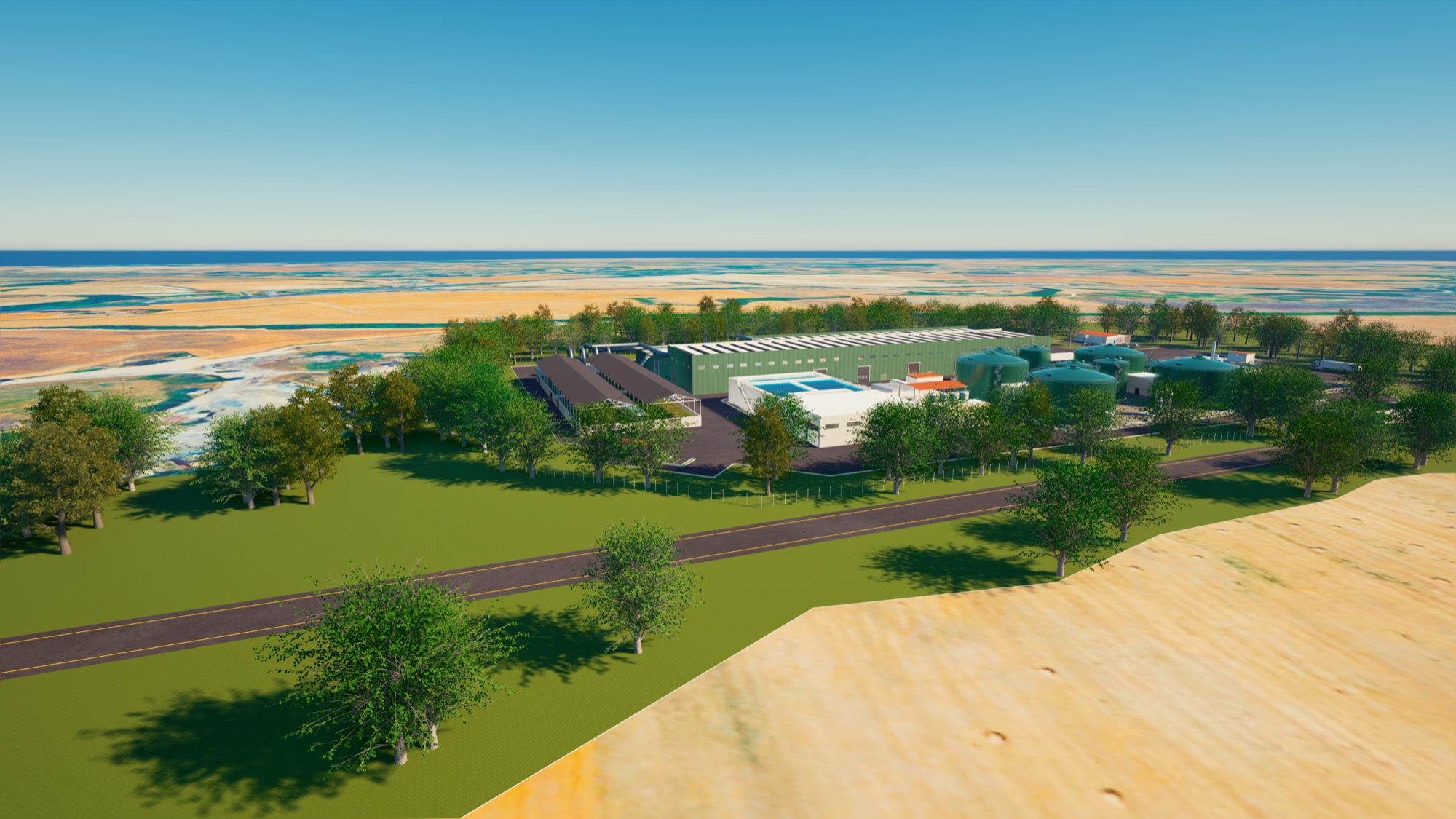
The project involves the construction of a new waste-to-energy plant for the city of Rome, an integrated facility covering approximately 100,000 m² that will house the various stages of the waste-to-energy process.

The infrastructure is part of the evolution of the capital’s waste management system, which aims to strengthen its autonomy and reduce reliance on landfill sites, in line with European environmental objectives. The waste-to-energy plant, included in the Waste Plan approved in 2023, which aims to achieve 70% separate collection, is designed to integrate functionally with the entire waste separation cycle, handling non-recoverable waste and contributing to a 10% reduction in landfill disposal, in line with the European target.

The first waste delivery is scheduled for September 2029, and the plant will be capable of processing 600,000 tonnes of unsorted and non-recyclable waste per year. Thanks to an investment of approximately €1 billion, the capital will finally have the certainty of disposal outlets at a lower cost than the current cost of transport within Italy or abroad. 

Operation of the plant

The plant will be designed to process unsorted waste and non-recyclable materials in a controlled and safe manner, converting them into electricity fed into the grid and heat for the local community.

The waste-to-energy plant will produce thermal and electrical energy with a total capacity of 65 MW, sufficient to power around 200,000 households and enable the recovery of reusable materials for construction.

Waste will be transported to the plant via the railway line connected to the Santa Palomba intermodal hub, also during nighttime hours.

Technologies and environmental performance

The technologies employed, among the most advanced available, will ensure emissions well below the limits set by European directives and Best Available Techniques (BAT).

An advanced flue gas treatment system is planned, with CO2 emissions up to 80 times lower than those from landfill sites and dust levels 100 to 10,000 times lower than on a busy road in Rome.

The project has also been developed to minimise resort to external water supplies by recovering rainwater and reusing treated water from the Santa Maria in Fornarola treatment plant.

Project design procedures and phases

Following the award of the public bid published on 16 November 2023, RenewRome (a company formed by the consortium comprising Acea Ambiente, Suez Italy, Kanadevia Inova, Vianini Lavori, and RMB) was commissioned to design, construct, and operate the plant.

The project is governed by a 33-year concession contract, signed with Roma Capitale on 15 May 2025.

Environmental and health monitoring

Emissions and other environmental parameters – including soil, water, vegetation, and noise – will be monitored in accordance with the Environmental Monitoring Plan (Provvedimento Autorizzatorio Unico Regionale) approved under the PAUR (Regional Single Authorisation Scheme). Pre-construction surveys have already been carried out, and monitoring will continue throughout the construction and operational phases.

Continuous noise monitoring is planned during the construction phase, whilst for the operational phase, a Monitoring and Control Plan (Piano di Monitoraggio e Controllo) has been drawn up, integrated with the provisions of current legislation and the Integrated Environmental Authorisation (Autorizzazione Integrata Ambientale).

As part of the PAUR, the proposed Health Surveillance and Monitoring Plan, developed in collaboration with the Lazio Region, Roma Capitale, ARPA, DEP, ASL RM2, ASL RM6, and RenewRome, has also been approved.

Complementary works and land redevelopment

The project involves ensuring the safety of the Fosso della Cancelliera with a new route defined by hydraulic and hydrogeological studies approved by the relevant authorities.

Plans also include the creation of a Parco delle Risorse Circolari featuring research and co-working spaces, an experimental greenhouse, green spaces, and a viewing tower over 70 metres high.

The complex will also house a photovoltaic plant, a district heating network, an experimental CO2 capture system, and a plant to recover heavy ash.

Logistics and Mobility

To improve traffic flow in the area, a €31 million plan has been drawn up to reduce congestion in the southern part of the city.

The main works involve reclassifying Via di Porta Medaglia as a provincial road, upgrading the section of Via Ardeatina between the GRA and Via Falcognana, and improving the Pomezia–Santa Palomba route by upgrading the SP Cancelliera and Via di Valle Caia.

Project milestones

  •  May 2024 – Submission of the bid 
    The Temporary consortium of companies (Raggruppamento Temporaneo di Imprese - RTI) led by Acea Ambiente, together with Hitachi Zosen Inova AG (now Kanadevia Inova), Vianini Lavori, Suez Italy, and RMB, submits the technical and financial bid for the construction and operation of the Rome Waste-to-Energy Plant, in response to the public tender launched by Roma Capitale.
  • April 2025 – Establishment of RenewRome 
    RenewRome is established and tasked with building and operating the Rome waste-to-energy plant.
  • May 2025 – Award of the contract and signing of the concession agreement
    RenewRome is awarded the contract for the concession of the plant complex, including design, the authorisation process, construction, operation, and management of the plant.
    RenewRome and Roma Capitale sign a 33-year concession contract, which governs the construction and management of the plant.
  • January 2026 – Obtaining the PAUR
    The project obtains the Single Regional Authorisation Measure (Provvedimento Autorizzatorio Unico Regionale), concluding the authorisation process and allowing the operational phases to begin.
  • 15 May 2026 – Start of construction 
    The construction phase of the plant complex begins in the Santa Palomba industrial area. 

Consorzio Tormarancio

Sostenibilità

SUSTAINABILITY

Tor Marancia Park

The Administration has set itself the objective of completing the enhancement of the Tor Marancia Park in Municipality VIII, a large green area safeguarded by the overbuilding of Antonio Cederna, but still not completely accessible to the whole city. In May 2022, the Council ratified a resolution for the opening of the Tor Marancia Park, defining the agreements with the Tormarancio Consortium to make the green area accessible to the public, regulate the loan of the areas not yet sold to Rome, and manage maintenance activities.

After more than 10 years of waiting, a new segment of the park was inaugurated in August 2022, called Functional Implementation Area (AFA) 3, covering 13 hectares mainly dedicated to younger people, with play areas and suitable paths. In July 2023, the building permit was issued to equip a further 6.5 hectares of greenery, including an equipped garden, a paved square of approximately 700 m2, bicycle-pedestrian paths, a fitness trail, an area for children, and an area for dogs. Work is underway and is expected to be completed in spring 2024. At the same time, work is underway to start the recovery of the 3 farmhouses, so-called AFA6, located right inside this portion of the park. Currently, the decision-making services conference is underway and is expected to end by early January 2024.

Roma Capitale
Villa Celimontana

CULTURE

Redevelopment of the Villa Celimontana Park

Villa Celimontana is located in the I Municipality and has a total area of 110,000 square metres.  It is a State Property, with perpetual use by the Municipal administration. 

Several buildings are located within it: 

  • the Villino Mattei (headquarters of the National Geographical Institute), 
  • the “Caretaker's House”, the “gatehouse”, 
  • a building belonging to the Garden Service, 
  • a building with public toilets and various artefacts (a monumental portal, the Mattei obelisk, a neo-Gothic temple, two nymphaea, 15 fountains, a monument dedicated to Paul Harris and numerous archaeological findings from the Mattei collection and from other sources).

Despite originating on agricultural land, as most Roman villas, from the very beginning of its history, Villa Celimontana has had a particular “vocation”, that of dialogue with the adjacent Roman vestiges - the Baths of Caracalla and the Palatine - through the interaction between the “landscape of greenery” and the “landscape of stone and marble”.

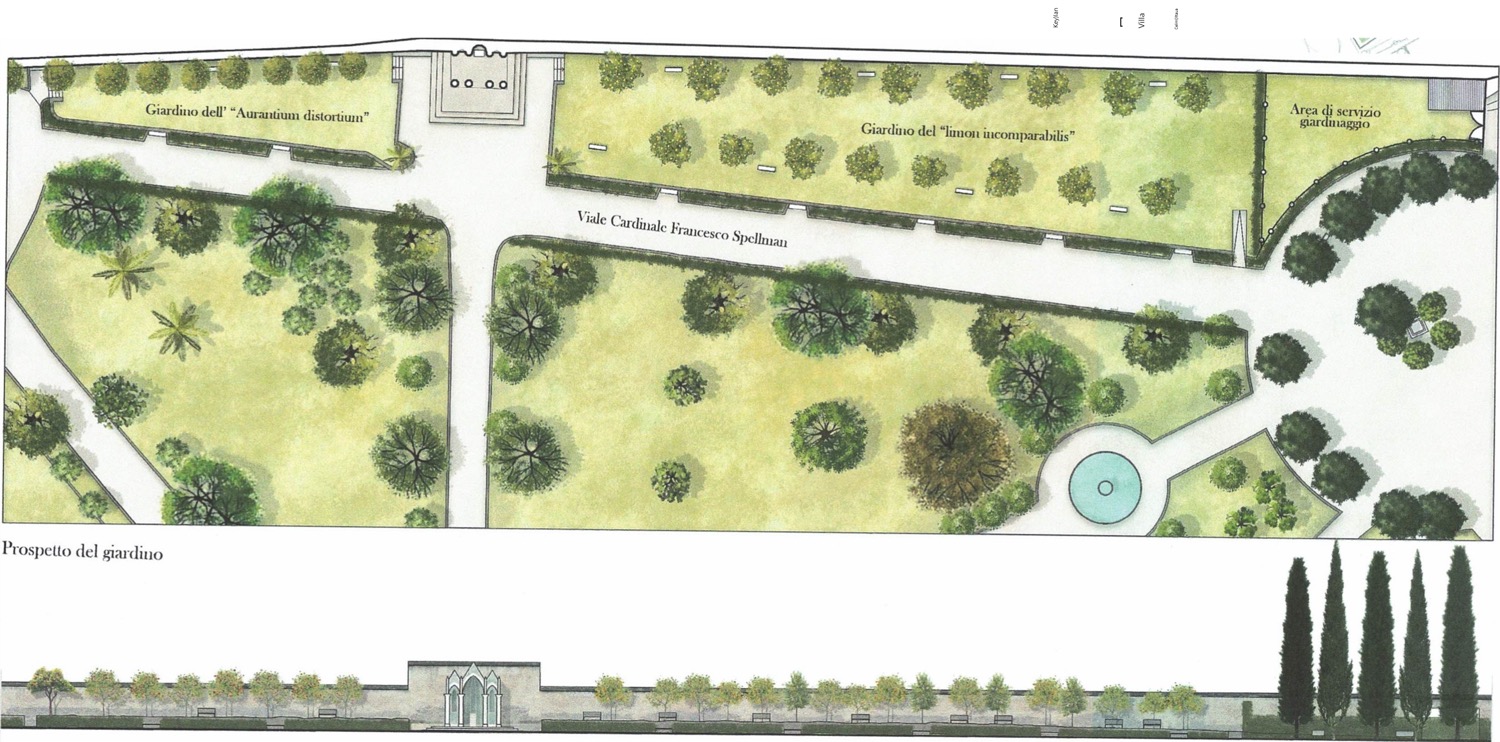
The project includes the redevelopment of the villa's vegetation heritage, the rearrangement of paths, and the overhaul of the irrigation system. It also includes the restoration of architectural artefacts (neo-Gothic temple, artistic fountains) as well as the reinstatement of sculptural decoration by placing replicas.  

Activities will include: 

Redevelopment of Vegetational Heritage

  • new fine trees, exotic specimens and ornamental shrubs;
  • enhancement of special arboreal designs;
  • rebuilding of the citrus tree espalier in the vicinity of the Temple.

Architectural and Sculptural Interventions

  • enhancement of archaeological furnishings with replicas of valuable pieces;
  • restoration of the Neo-Gothic Temple and artistic fountains.

Morphological and Structural Design

  • renovation of paths, restoration of missing sections of the tuff cliff;
  • redevelopment and safety improvements to the children's track using eco-friendly materials.

Systems engineering

  • overhaul of fountain systems;
  • overhaul and integration of the low-consumption irrigation system;
  • scenographic lighting of sculptural and architectural elements.

Additional Procedures

  • checking the phytostatic condition of the tree population;
  • drafting of VTA sheet and, if necessary, instrumental surveys;
  • tree pruning, restoration of archaeological artefacts.

The project aims to restore the Villa Celimontana to its original splendour, with interventions aimed at the vegetation, architectural elements and structures, ensuring an improved enjoyment in keeping with the expectations of the citizens.

Roma Capitale
Render Villa Aldobrandini

SUSTAINABILITY

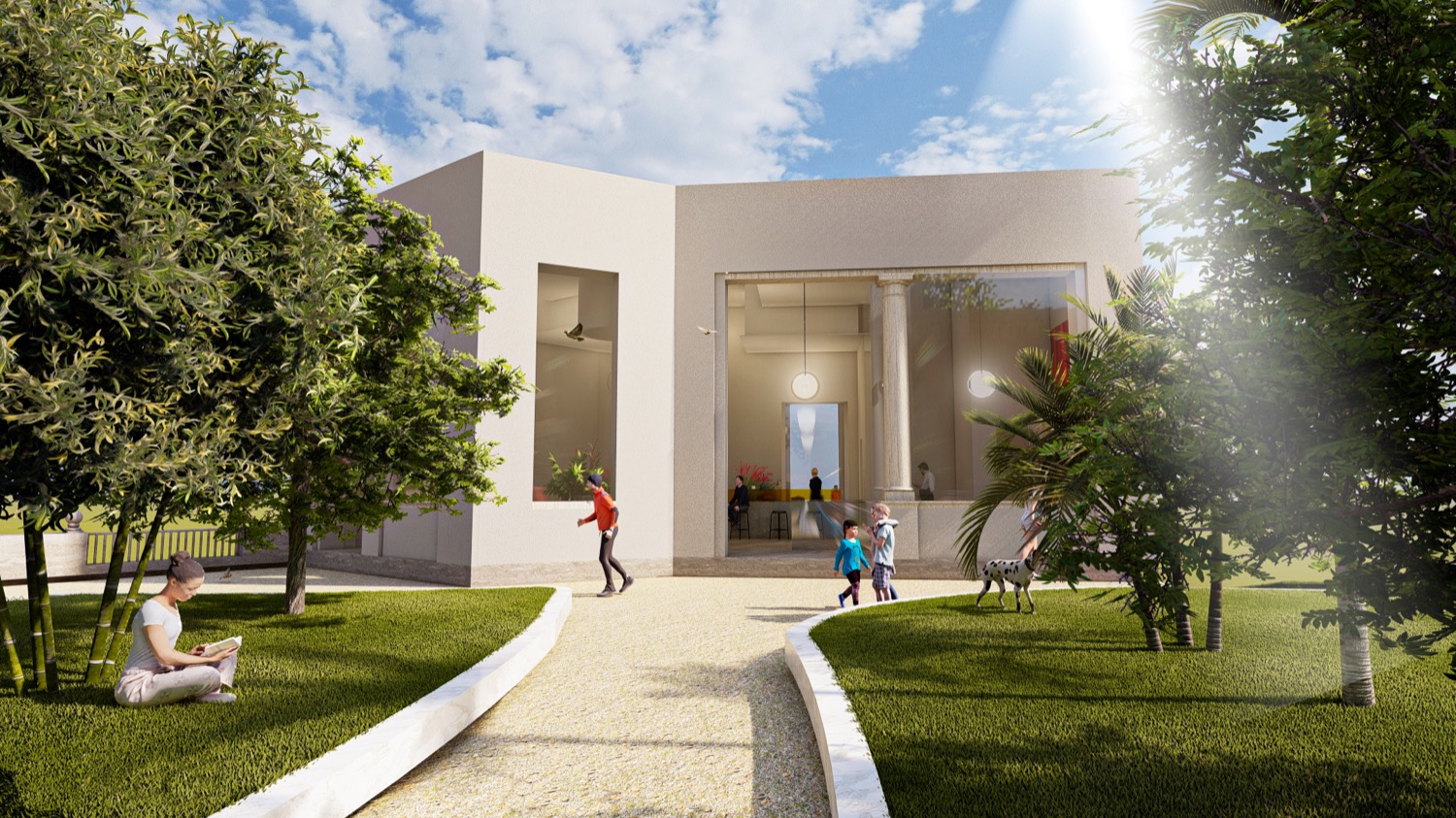
Redevelopment of Villa Aldobrandini

The redevelopment of Villa Aldobrandini is a complex challenge that touches on environmental, architectural, historical, artistic, urban, social, and management aspects, all linked to its accessibility. The preliminary project for the general recovery of the Villa, with an estimated cost of € 8,300,000.00, was approved by Resolution of the City Council of Roma Capitale no. 98 of 30 March 2023. This project includes six areas of intervention:

  • vegetation recovery and redevelopment of the garden;
  • recovery of the pavilion on the corner between Via Nazionale and Via Mazzarino;
  • recovery of the pavilion on the corner between Via Nazionale and Largo Magnanapoli;
  • restoration and recovery of the Sixteenth-century loggia, original access to the villa;
  • restoration of the staircase and adaptation with elevator from the Nineteenth-century portal overlooking Via Nazionale;
  • renovation and redevelopment of the archaeological area.

With an initial funding of € 2,700,000.00, the executive project of the first batch was drawn up, whose work began on 11 April 2024. This first phase includes:

  • vegetation recovery and redevelopment of the garden;
  • recovery of the pavilion on the corner between Via Nazionale and Largo Magnanapoli, intended for use as a coffee house and installation of an elevator connecting to the garden;
  • restoration and recovery of the Sixteenth-century loggia, original access to the villa, with museum accommodation and recovery of the cordonata.

Ama S.p.A.

Render Biodigestore di Cesano

SUSTAINABILITY

Digestion Plant in Cesano

Realization of an anaerobic digestion plant with a 100,000 tonnes/year capacity, to manage the organic fraction of municipal solid waste. The intervention aims at the material efficiently recovering, transforming the organic fraction in soil conditioners for farming use, and the production of energy through the generation of biogas and biomethane.

This solution for the treatment of municipal solid waste prioritises environmental sustainability and recovers valuable materials for agriculture.

Roma Capitale
GRAB

SUSTAINABILITY

GRAB (Grande Raccordo Anulare delle Bici - Great Ring Road for Bicycles)

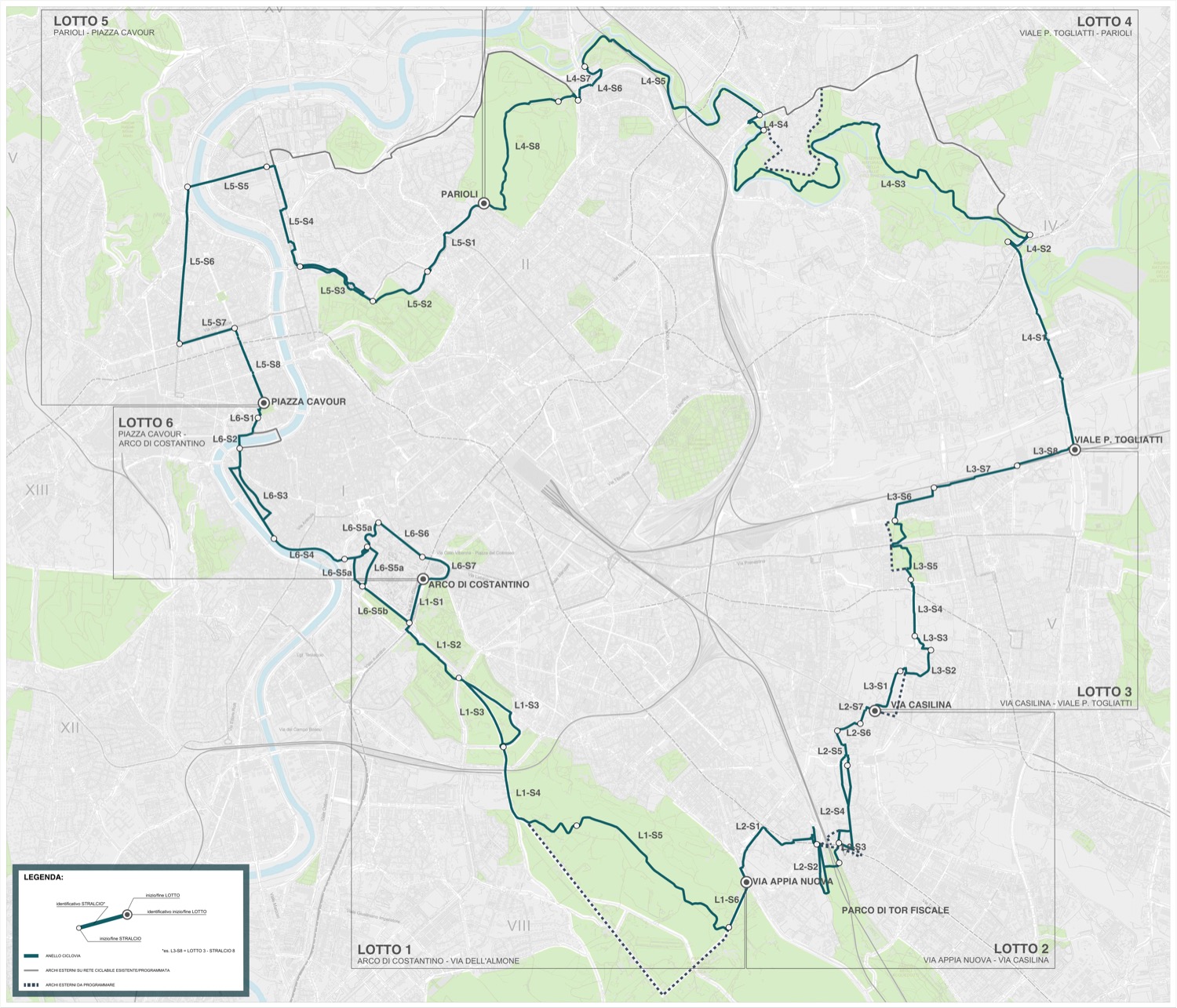
The GRAB project is a cycle path designed by associations of cyclists and environmentalists with the aim of promoting tourism and enhancing landscape and historical, artistic and environmental heritage. The ring road is around 50 km long, formed of pre-existing stretches of cycle paths along roads and in parks, as well as new routes built specifically for this purpose.

The project has already been added to the national system of tourist cycleways, granting it significant public relevance. Its implementation falls under the measures of Italy’s National Recovery and Resilience Plan (NRRP) and is one of the projects related to the Catholic Church Jubilee celebration in 2025.

The GRAB crosses the most significant locations in Rome, from centre to outskirts. Divided into 6 lots, each one divided again into smaller sections, the route touches down in iconic locations such as the Colosseum, Palatine Hill, the Baths of Caracalla, the old Appian Way, the Quadraro neighbourhood, the Valle dell’Aniene Nature Reserve, Villa Ada, Villa Borghese Gardens, Via Guido Reni, Viale Angelico, Via Lepanto, Via Giulia, and Via dei Fori Imperiali.

The project activities aim to ensure the usability, interconnection and intermodal nature of the route, while respecting Directive 375/2017 of the Ministry of Infrastructure and Transport (MIT). This means the Rome Cycleway is key infrastructure for promoting sustainable mobility and health. Its construction offers an opportunity to transform and develop strategic areas of the city, rethinking the roles and shapes of its major roads.

The Cycleway becomes an integral part of this transformation, positively influencing the quality of urban spaces. By connecting places of excellence and daily function, the infrastructure is rooted into the territories it crosses, becoming a trajectory of encounters and a valid alternative to the use of cars for daily journeys.

The creation of connections with rail stations is crucial for extending the GRAB radius of use. The cycleway intersects 8 metro stations, 13 stops on 6 different tram lines, and 3 railway stations. This also makes the GRAB accessible from the rail, metro and tram networks, expanding its use beyond municipal borders.

Approved in December 2023, the final design eliminates interferences with jubilee projects and NRRP measures, guaranteeing the cohesion of the GRAB with the Catholic Church Jubilee celebrations and urban planning objectives (PUMS – PGTU). The Cycleway is the key in a new vision of urban mobility, contributing to lower pollution and social costs and fairer access to resources in the territory.

Along its route through the city, from the center to the outskirts, the GRAB takes on different characteristics and forms: in some sections, it is a clearly defined path, separate from pedestrian walkways, while in others, it runs along sidewalks, integrating with the road. In the green areas of villas and parks, the route follows existing paths, which are undergoing restoration to repair original paving and drainage systems, with the goal of ensuring safety and decorum. During the services conference, the Colosseum Archaeological Park requested, for Lot 1, a shared decision-making process regarding the "green band" and the planting of specific plant species along Via di San Gregorio.

Working site considered partially closed and operating at the beginning of the Jubilee Year.

Private Fund

Render ex Residence Bravetta

SUSTAINABILITY

Former Bravetta Residence

The former Residence in via Bravetta, a structure of approximately 100,000 m3 built in the late 1970s, remained in a state of abandonment for over 15 years, configuring itself as a reinforced concrete structure at the entrance to the Valle dei Casali Nature Reserve. 

Following the eviction of the last building, which took place in August 2007, the buildings were stripped of their external walls to avoid occupations, awaiting reclamation and redevelopment.

Demolition operations on the first building began in July 2022 and were completed in spring 2023. Demolition of the second section, consisting of 4 buildings, began in November 2023 and will be completed in spring 2024.

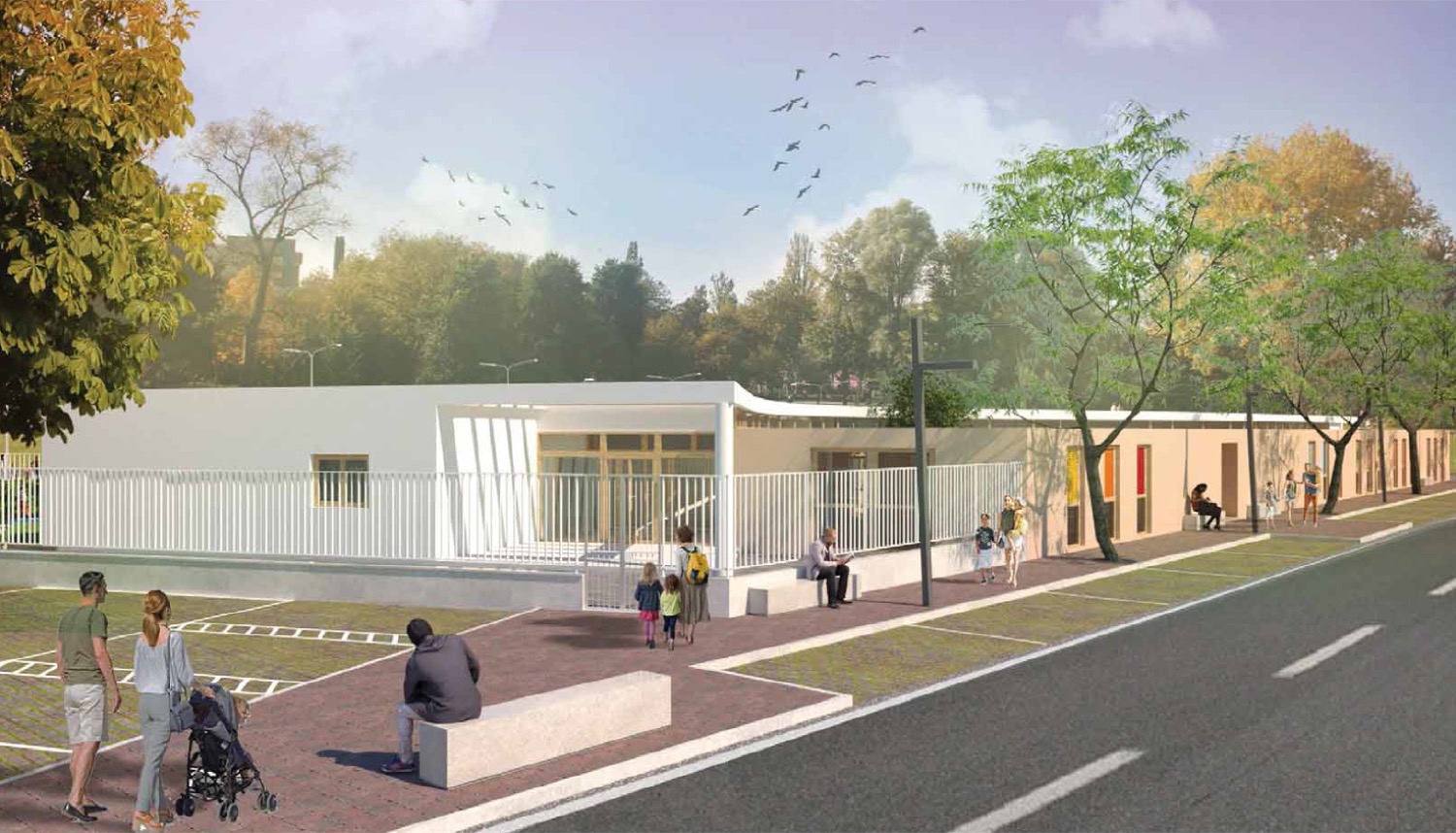
In accordance with a 2022 council resolution and the subsequent supplementary agreement signed in May 2023, a new children's centre will be built in the area of the former Residence, including a kindergarten and a nursery school with a maximum reception capacity of 150 children. Public squares and paths will also be developed between the "Buon Pastore" complex and the park itself, facilitating the direct connection of the neighbourhood with the surrounding urban park system: "Valle dei Casali", "Tenuta dei Massimi" and "Villa Pamphilj".

Orchidea fund

Ex Fiera di Roma - cantiere

SUSTAINABILITY

Former Rome Fair

The Council of Roma Capitale ratified the agreement with the Orchidea Srl fund, establishing the start of the redevelopment of the former Rome Fair complex. The primary objective is to recover a large central area of the city and create an open and integrated environment with the territory, promoting collaboration with Bodies and Institutions, in particular with the University of Roma Tre. The intervention aims at joining private interests with public purposes related to research and experimentation, outlining a model of training and knowledge hub for the benefit of citizens.

The agreement provides for the complete transformation of the site in Via Cristoforo Colombo through the demolition of the buildings and their replacement with new public and private structures. On a total area of about 76,000 m2, of which over 12,000 m2 are reserved for equipped public green areas under the responsibility of Roma Capitale, 35,000 m2 are planned for residential use, of which over 7,000 m2 are dedicated to social housing. In addition, more than 8,800 m2 are planned for non-residential purposes, of which about 6,800 m2 for office services and 2,000 m2 for commercial activities. The project also includes about 27,000 m2 of equipped public green space and about 12,500 m2 of private green areas.

In order to define the executive urban plan, a competition was held to select the Masterplan, which was won by "The City of Joy" project, developed by ACPV Architects, Arup, Asset and P'arcnouveau. The resources from the fund amount to eighty thousand euros: forty thousand euros for the winning proposal and ten thousand euros for each of the first four proposals selected after the winning proposal.

The project, whose title refers to the famous novel by the French writer Dominique Lapierre, proposes the regeneration of this area through a series of interventions, thus developing new synergies and relationships between the public city and the private city, and giving substance and continuity to the interventions provided for by the Urban Planning of Piazza dei Navigatori.

Among other things, it provides numerous green areas and services to promote outdoor, sports and social activities aimed at families and young people, such as picnic areas, areas for events and active spaces for fitness.

50% of the area will be used for green spaces and services, with an increase in soil permeability of around 3.9 hectares of surface area, about half of the total area (7.6 hectares).